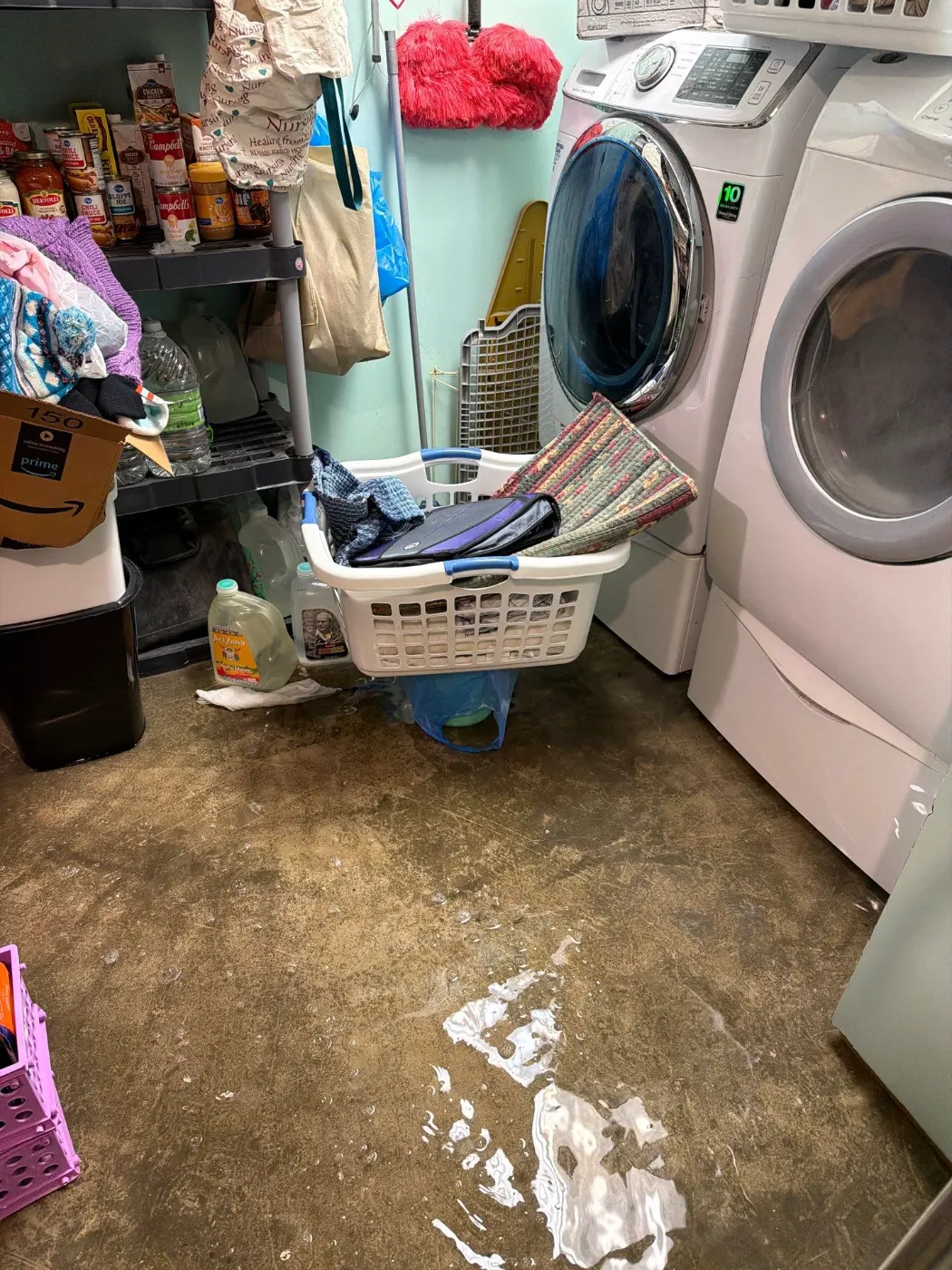
Storm Damage in Sweetser, IN
Water coming through the roof in Sweetser? A crew dispatches within 2 hours, weekends and holidays included.
For Storm Damage in Sweetser, Sweetser Water Restoration brings the equipment, the certifications, and the paperwork: 24/7 response, written scopes, and insurance claim support. Call (765) 517-7678 for dispatch.
- Service: Storm Damage for Sweetser homeowners
- Service area: Sweetser, IN and surrounding areas
- Response time: Around the clock dispatch; Sweetser emergencies move to the front of the line
- Licensed and insured (License #RC21100059)
- Serving Sweetser, IN since 2018
Storm Damage Cleanup in Sweetser
We handle storm damage cleanup across Sweetser, from tarping the opening to drying the house underneath it, and we're out day or night.
Storms Here
Storms here can bring large hail and damaging wind. If your insurance company asks for a storm date, NWS Indianapolis keeps a list of past events.
Where Storm Water Ends Up
Homes near Pipe Creek can see rising water after heavy rain. With full basements common here, a big storm can bring water in from below as well as through the roof. That makes it a basement flooding job too.
After a storm we can be anywhere in Sweetser, from Wilcut's Addition to the roads around Sweetser Wesleyan Church and Sweetser Switch Trail. We also handle storm damage in Upland, Swayzee, Fairmount and Gas City.
Expert Storm Damage for Sweetser Homeowners
The power went out during the storm and the sump pump stopped with it, so the water in your Sweetser basement kept rising with nothing to move it. Standing water near outlets or the panel is the first hazard to respect. The next is how quickly the carpet and the bottom of the drywall soak it up. Sweetser Water Restoration pumps the basement down and dries what held water.
Storm water work in Sweetser follows the IICRC S500, Fifth Edition, from 2021, and the IICRC S520 applies if wet insulation has started growing mold. Sweetser Water Restoration reads the attic and the ceilings every day and records each reading, so you can see the drying move from the first visit to the last one. The water restoration manager behind these jobs is IICRC certified.
Attic work on a storm loss is hands and knees with a probe. Sweetser Water Restoration technicians read insulation at depth, check the underside of the sheathing, look at the top plates where water collects and sits, and mark wet zones with tape so nothing gets missed when the removal crew comes through. Soaked batts and matted blown in get bagged and carried out, since they won't dry in place.
The readings are highest on the first day, so that's when the crew records them. Sweetser Water Restoration photographs the opening, the water path and every wet room in your Sweetser home on the first visit and logs the readings. You get the first part of the photo report that same day, ready for whenever you decide to talk with your insurance company.
Floodwater in your basement or garage calls for containment and protective gear, so it's worth a call before anyone wades in. Sweetser Water Restoration extracts the water in Sweetser and dries the structure afterward, with the soaked porous materials removed and photos at each stage. Call (765) 517-7678 to get a crew started.
Signs You Need Storm Damage Restoration
If you notice any of these in your Sweetser home, schedule a free inspection before the issue worsens.
Daylight visible through the roof sheathing when you look up from inside the attic
Standing water around the sump pit after the power came back on
Thick ice built up in the gutter with icicles hanging along the edge of the eave
Furnace or water heater base sitting in water after storm runoff
Hardwood boards cupping near a patio door or garage entry
Pooled water or wet insulation under the floor in a crawl space
Shingle granules piled in the gutters or washed out at the bottom of a downspout
Silt left on the garage floor or mudroom tile after runoff pushed in
A musty smell that comes back in the same room after every rain and fades in between
Window sill corners holding water or finish peeling after a windy storm
How Sweetser Water Restoration Handles Storm Damage
We follow these steps in order on every Sweetser job.
Power and Safety Check
The crew looks for water near outlets and light fixtures and keeps affected circuits off. Sagging ceilings and slick floors get marked before anyone starts work, and wet electrical gear gets flagged for an electrician.
Wall Cavity Inspection
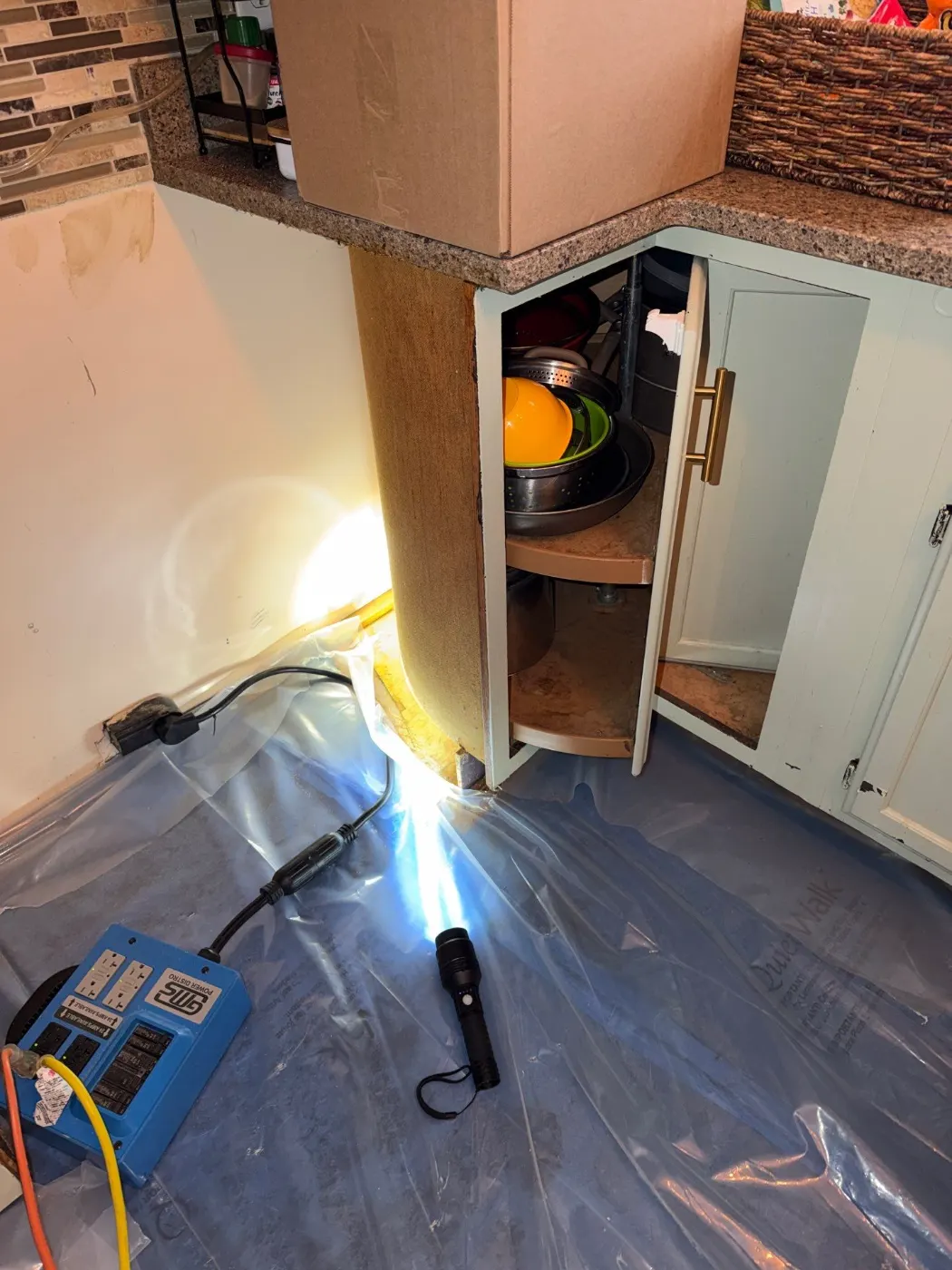
Baseboards and window trim come off where readings run high, and small inspection holes show whether the cavity behind them holds water. Windows and doors that took wind driven rain usually leave the wall base wet first.
Wet Insulation Removal
Soaked batts and matted blown in get bagged out of the attic and the ceiling cavity, with type, depth and square footage recorded for the rebuild and for the claim. Wet insulation holds water against the ceiling board and loses its insulating value while it's wet.
Contaminated Material Removal
Porous materials soaked by floodwater, such as carpet and the lower drywall, get cut out and bagged for disposal. Cut heights are photographed and recorded, so the scope and your file show what came out and why.
Attic and Cavity Drying
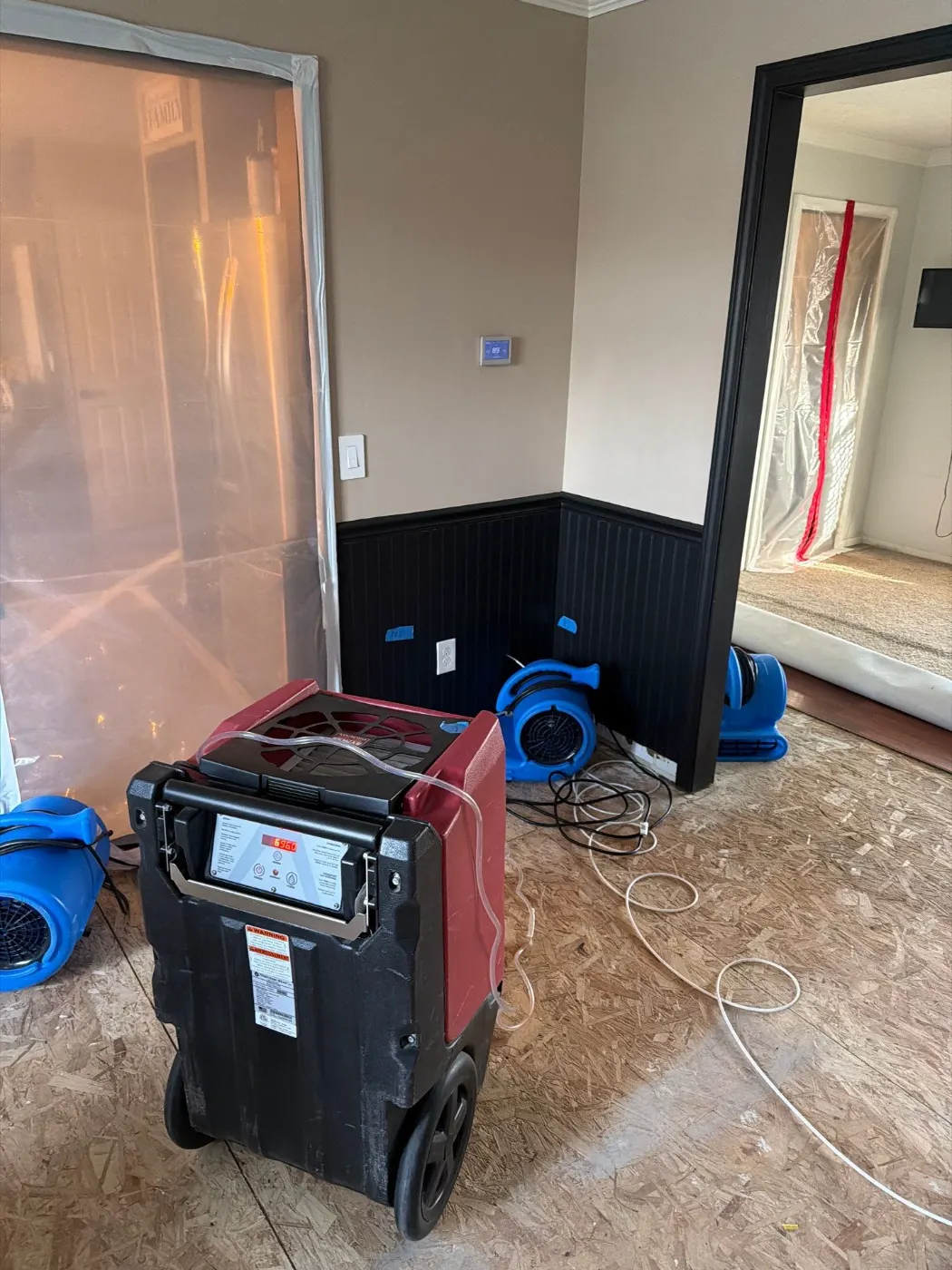
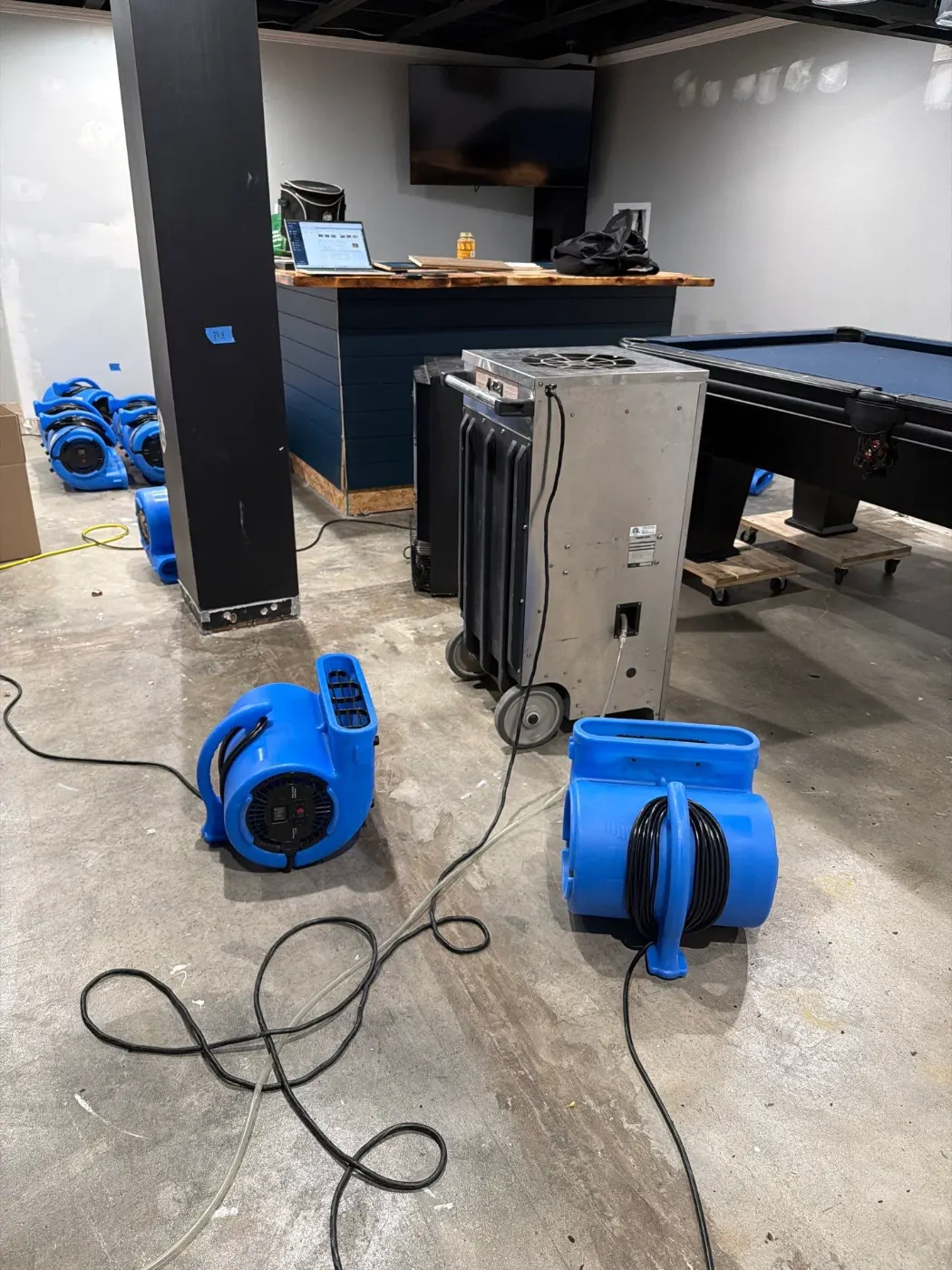
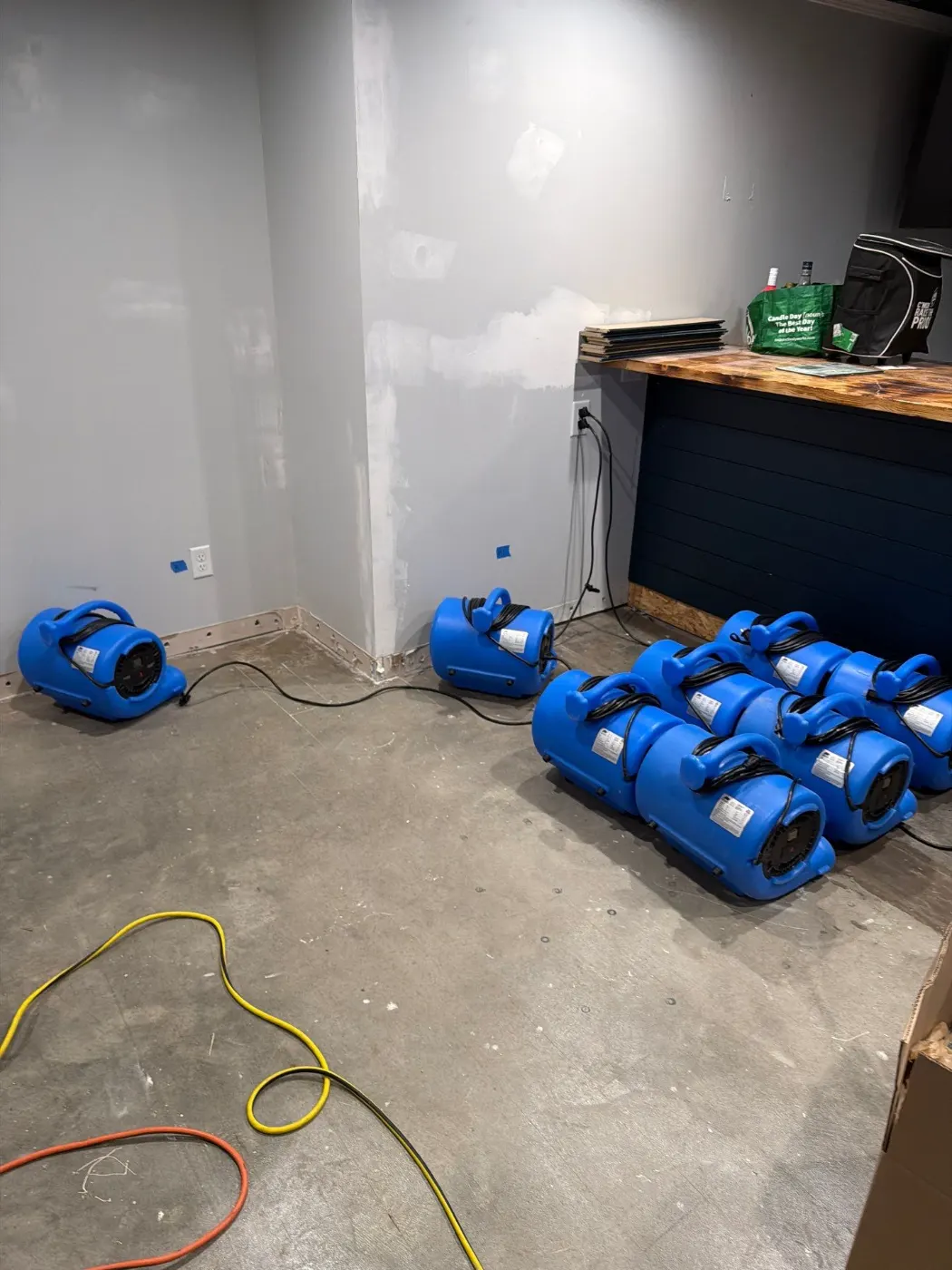
Air movers aim at wet surfaces, dehumidification is sized to the containment volume, and negative air cavity drying runs through small ports where a ceiling or wall doesn't have to come down to dry. Humidity gets tracked inside and outside the drying area.
Storm Damage in Sweetser
Photographs from real storm damage jobs completed by our crew in Sweetser and surrounding areas.
Storm Damage FAQ
Questions Sweetser homeowners ask us about storm damage restoration.
Guidance and Standards for Storm Damage
- The National Weather Service office in Indianapolis posts summaries of recent central Indiana storm and flood events. NWS Indianapolis Event Summaries
- The Indiana Department of Insurance advises against permanent repairs before your insurance company inspects the damage. Check your own policy for what it covers. Indiana Department of Insurance: Insurance Claim Tips
Sweetser Neighborhoods We Serve
We take storm damage calls in every part of Sweetser. Pick your neighborhood for local details.
Other Restoration Services in Sweetser
Sweetser Water Restoration handles the full scope of restoration work. Explore our other services below.
Water Damage Restoration in Sweetser
24/7 emergency response. IICRC certified water restoration from extraction to full dry out.
Learn more →Basement Flooding in Sweetser
Basement water emergencies handled fast. Extraction, drying, mold prevention.
Learn more →Sewage Cleanup in Sweetser
Category 3 biohazard cleanup. Full containment, decontamination, structural restoration.
Learn more →Request Storm Damage Restoration
Reach Us Directly
Our team is available 24/7 for emergencies and ready to schedule inspections during business hours.
Need Immediate Help?
For active water or mold emergencies, call us directly. We are available 24/7.