The First Thirty Minutes: Stop, Cut, Move
Alright, first question: do you know where your main water shutoff is? If you are standing in two inches of water reading this, that is your answer right now. Go shut it off. The main valve is usually in the basement, the crawl space, or near the water heater in Sweetser homes. Older properties sometimes have it outside near the meter. Turn it clockwise until it stops. If only a fixture is leaking (toilet, sink, washer), there is a smaller valve right at that fixture. Use that one and you keep water on for the rest of the house.
Did you get the source stopped? Good. Next thing, and this matters, is the power. If water is anywhere near outlets, the panel, or a ceiling fixture that is dripping, kill the breaker for that area. Do not walk through standing water to reach a wet panel. That is a call to an electrician, not a hero move. If you smell sewage or see brown water, treat it as a category 3 situation and stay out of it entirely. We have a full breakdown on water categories and what each one means for cleanup, but the short version is: clean water from a supply line is one problem, sewage is a completely different problem.
Now move what you can. Lift furniture legs onto foil, blocks, or anything that breaks contact with the wet floor. Pick up area rugs. Get electronics, photo albums, and important paperwork to a dry room. Toss towels at the edges to slow the spread. You are not trying to dry the house with bath towels. You are trying to contain it for the next thirty minutes while help is on the way.
While you are moving things, think about what is sitting under sinks or in low cabinets. Cleaning chemicals, pet food, cardboard boxes of who knows what from three moves ago. Get all of that up off the floor. Cardboard wicks water faster than almost anything else in your house, and a wet box of detergent or paint thinner can turn a clean water spill into a contaminated one in minutes. If you have kids or pets, this is also the moment to gate off the area. A curious dog walking through wet carpet and then jumping on the couch just expanded your problem by a few thousand dollars.
The Next Thirty Minutes: Document and Call
This is the part most people skip and then regret. Before anyone starts cleaning, take photos. A lot of them. Every wet wall, every soaked baseboard, every ruined item. Video works too. Walk through the space narrating what you see. Your insurance adjuster will ask for this, and the homeowners who have clear documentation almost always get faster, fairer claims. We cover the paperwork side in our guide on filing a water damage insurance claim if you want to read it later, but right now just shoot the photos.
Get wide shots of each room first, then close ups of the damage, then close ups of any serial numbers or model tags on appliances that got hit. If a hose, valve, or supply line failed, photograph the failed part from a few angles before you toss it. Bag it up and set it aside. Adjusters and manufacturers sometimes want to inspect the actual component, and a clear photo plus the physical evidence will save you a long argument later. Jot down a quick timeline too. When you noticed the water, when you shut it off, when you called for help. A few notes in your phone now are worth a lot when you are reconstructing the story a week from now.
Then call us. Or call any reputable restoration company in Sweetser. Why now and not tomorrow morning? Because mold starts colonizing wet drywall and carpet pad in roughly 24 to 48 hours. Water also keeps wicking up walls and into the subfloor every hour it sits. The faster a crew gets extraction equipment on the ground, the less material has to come out. That is the entire game.
When you call Sweetser Water Restoration, expect a few quick questions. How much water, where is it coming from, is it clean or dirty, is the source stopped, are there elderly folks or kids in the home. That is not a sales script. We are figuring out what truck to send and what gear to load. In most cases we have a crew on the way within 2 hours, sometimes faster depending on where you are in the metro. While you wait, keep the air moving with whatever HVAC settings are safe (fan on, not heat blasting onto wet wood) and stay off wet carpet as much as you can. Every footstep pushes water deeper into the pad and the subfloor.
What You Should Not Do
Quick list of things people try that backfire. Do not run a household fan across wet carpet for hours hoping it dries. You are just spreading moisture into walls and ceiling cavities. Do not pull up wet hardwood yourself, because there is a real chance some of it can be saved with professional drying mats, and once you rip it out, that decision is made. Do not bleach mold growth before someone documents the cause, because you can wipe out evidence your insurer wants to see. And please do not wait until morning because the leak "stopped on its own." Water that disappears from view is water that went somewhere worse, usually into the subfloor or down into the joists.
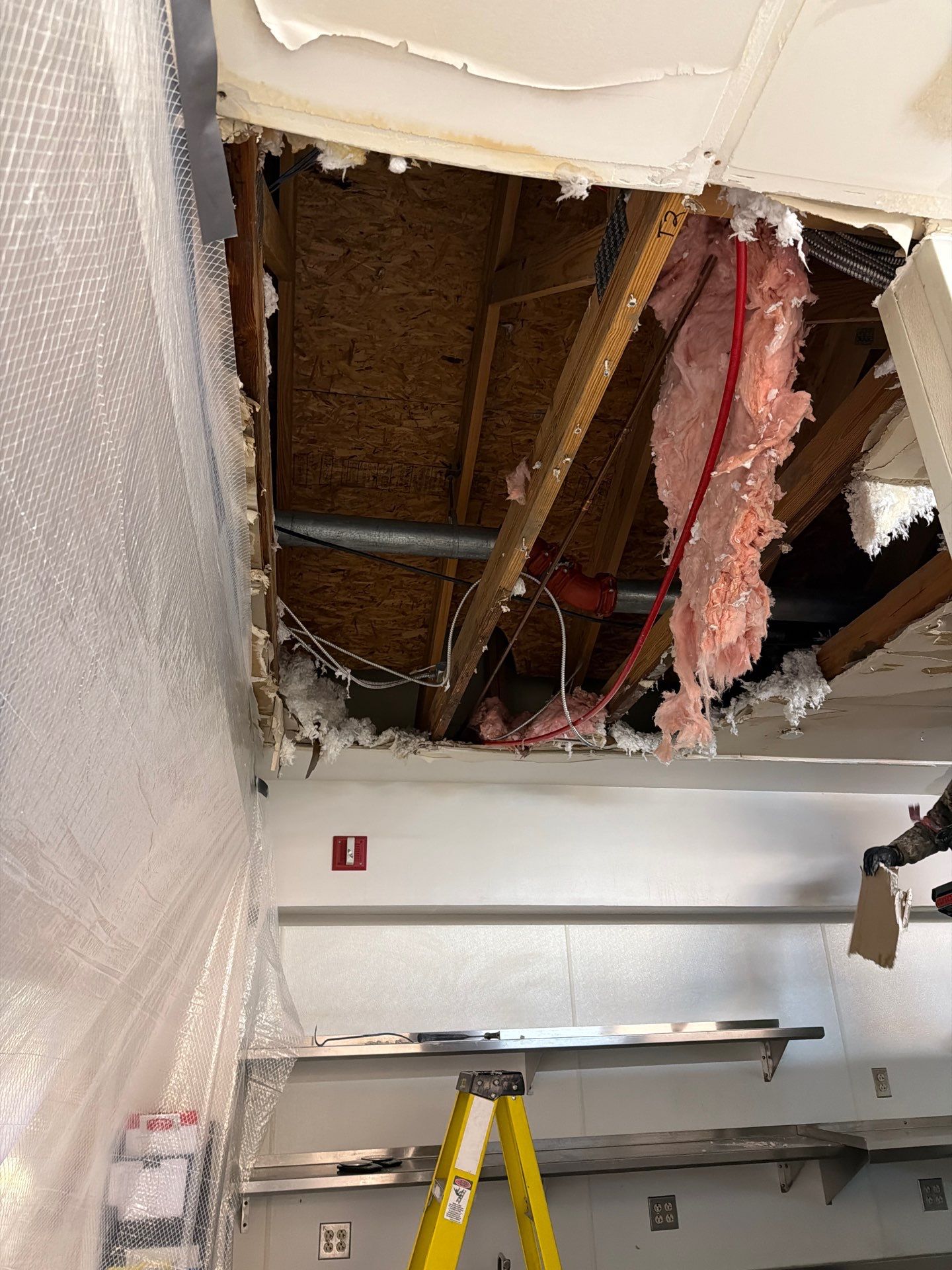
A couple more to add to that list. Do not use your regular vacuum to suck up water. Shop vacs rated for wet pickup are fine, household vacuums are a shock hazard and you will ruin the motor. Do not lift the carpet to "let it breathe" unless someone tells you to, because stretched carpet that has been peeled back rarely lays right again. And do not start tearing out drywall in a panic. A trained tech will cut clean lines at standard heights so the repair is straightforward. A jagged hole at random heights makes the rebuild cost more than the demolition saved.
One more honest note. If you call us and we look at the situation and tell you a few box fans and some patience will handle it, that is what we will say. Not every wet floor needs a five day commercial dry out. We would rather tell you the truth and earn the next call than oversell the first one. That is just how Sweetser Water Restoration runs.